Recipes with Cocoa Powder: Which Cocoa to Use and Why
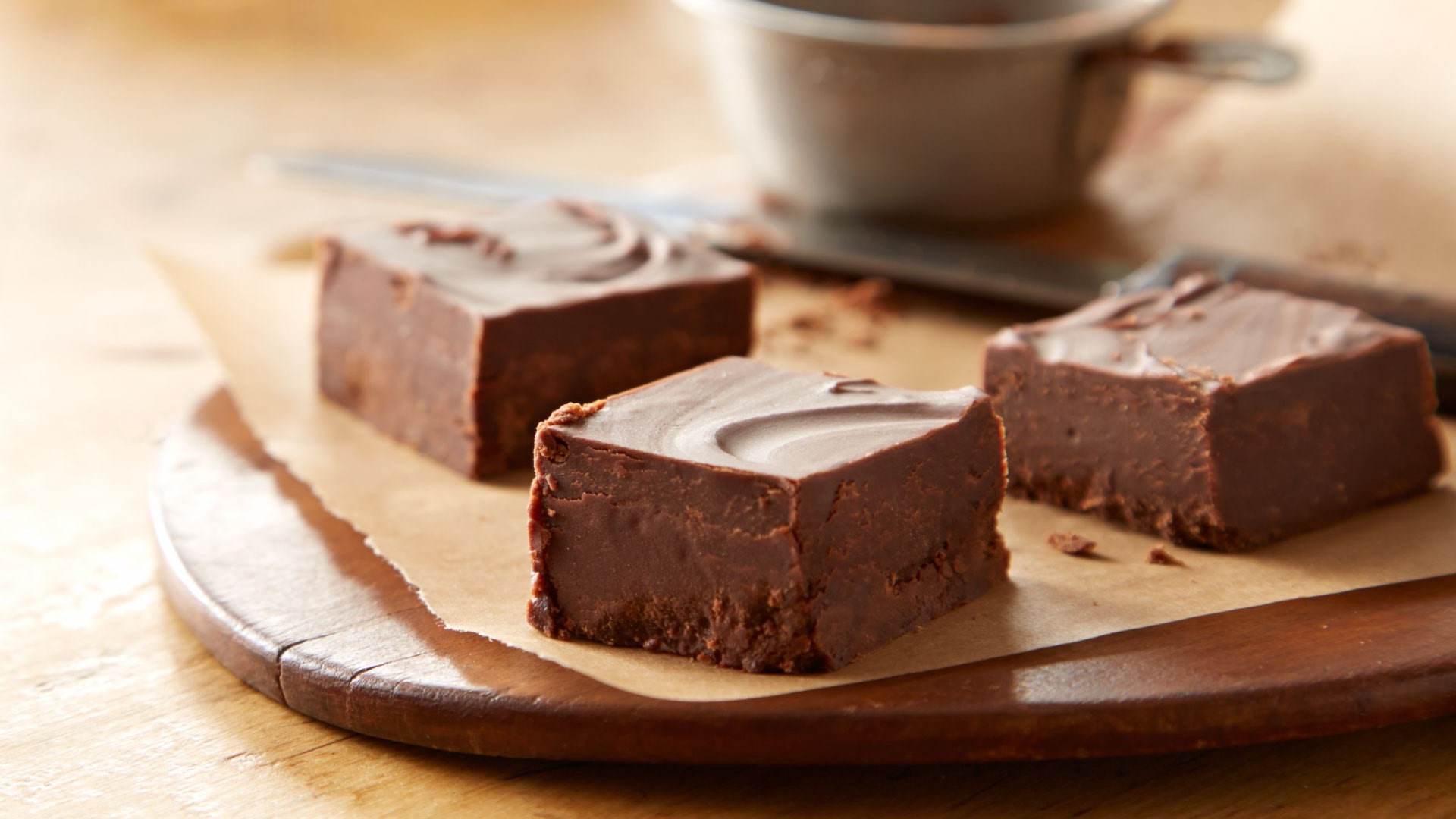
Cocoa powder works in far more than chocolate cake. It goes into brownies, frosting, puddings, hot cocoa and fudge sauce. The one decision that matters is which type of cocoa your recipe is built for, because it decides whether the batter rises properly. Here is how to choose, a base chocolate cake to start from, other ways to use cocoa, and how to swap one type for the other.
Natural vs. Dutch-Process Cocoa: Which One Should You Use?
Natural cocoa is unsweetened chocolate ground into a powder, with most (not all) of the cocoa butter removed so it stays free-flowing, according to King Arthur. Dutch-process cocoa is natural cocoa treated with an alkalizing agent to reduce acidity. It tastes smoother and looks darker.
Iowa State University Extension gives these approximate values:
- Natural cocoa: pH of about 5-6, a sharper, more bitter, citric flavor, and a reddish-brown color.
- Dutch-process cocoa: pH of about 7, a smooth, soft flavor, and a dark color.
Dutch-process cocoa is also sold as Dutched, European-style or alkalized. Black cocoa and "rouge" cocoa are Dutch-process too, and black cocoa is the darkest and most bitter.
The acidity affects the leavening:
- Recipes built on natural cocoa typically use baking soda, because the cocoa's acid reacts with it to make bubbles.
- Recipes built on Dutch-process cocoa typically use baking powder, or mostly baking powder with a little soda.
So the leavening in a recipe is your best clue to the cocoa it was developed with.
Simple Chocolate Cake with Cocoa Powder (Ingredients and Steps)
A good cocoa cake batter is mostly pantry staples. Joy of Baking's simple chocolate cake uses either natural or Dutch-process unsweetened cocoa, with these base proportions:
- 400 g sugar
- 245 g flour
- 75 g unsweetened cocoa powder
- 240 ml warm water or coffee
- 120 ml oil
- 1½ tsp vanilla
I can only confirm those quantities from the source. The eggs, leavening, pan size and baking time are not included here, so I won't guess at them. For a complete, tested method, use our easy one-bowl chocolate cake recipe or the moist, dense chocolate fudge cake with fudge frosting.
Two things from the base formula are useful whichever recipe you follow:
- Warm coffee can replace warm water. The liquid is a straight swap in this formula.
- The cocoa is a large share of the dry ingredients. At 75 g against 245 g of flour, it is a big part of the batter. That is why the cocoa's acidity matters so much.
More Ways to Use Cocoa Powder: Frosting, Hot Cocoa and Fudge Sauce
Where a recipe has no chemical leavener, such as hot cocoa, fudge sauce or frosting, either cocoa can be used. In these recipes the cocoa contributes only flavor and color, so choose by taste and appearance.
- Natural cocoa: gives a sharper, more citric chocolate note and a reddish-brown color.
- Dutch-process cocoa: gives a rounder, softer flavor and a deeper, darker color.
- Blends: cocoa products that mix natural and Dutched cocoa exist and work in most recipes. Iowa State Extension cites Hershey's Special Dark as one, according to its label.
Some recipes on our site that put cocoa to work:
- Brownies with a fudgy center and a shiny, crackly top
- Homemade chocolate pudding made on the stovetop
- Chocolate depression cake without eggs or dairy
Cocoa products are unsweetened and have a long shelf life, per Iowa State Extension. They are generally described as gluten-free, but check the label if you bake for someone with celiac disease, since cross-contamination is possible. Puddings, creamy fillings and anything made with milk, cream or eggs still need refrigeration like any other perishable dessert, however shelf-stable the cocoa is.
Substituting One Cocoa for Another: Leavening Adjustments and Common Mistakes
Swapping cocoa types without any adjustment can give decent results, according to both King Arthur and Iowa State Extension. The cake may differ in color, rise and flavor, though. For a closer match, Iowa State Extension suggests these changes, using the same amount of cocoa:
| Swap | Cocoa amount | Leavening change |
|---|---|---|
| Natural cocoa in place of Dutch-process | 1:1 | Replace the baking powder with half that amount of baking soda |
| Dutch-process cocoa in place of natural | 1:1 | Omit the baking soda and use an equal amount to twice the amount of baking powder |
Treat these as guidelines for a pinch, not a guarantee. A recipe tested with one type will always behave best with that type.
Common mistakes
- Ignoring the leavening. Dutch-process cocoa in a baking-soda-only recipe means the soda has little acid to react with. Expect a flatter, denser result.
- Assuming a darker color means a stronger flavor. Dutch-process cocoa is darker but smoother, not necessarily more intense. Black cocoa is the exception, as it is also the most bitter.
- Using the wrong product. Cocoa powder is unsweetened, so it is not the same as a sweetened drinking-chocolate mix.
FAQ
Can I use natural cocoa instead of Dutch-process cocoa, or the other way around?
Yes, and the result is often decent. Expect some difference in color, rise and flavor. In recipes with no chemical leavener, such as hot cocoa, fudge sauce and frosting, the swap makes no structural difference. In baked goods, use the adjustments in the table above as a starting point.
What does "cocoa" mean when a recipe doesn't specify the type?
Sources differ. King Arthur says many reliable recipes list "unsweetened cocoa, Dutch-process or natural", and that a recipe saying just "cocoa" was likely developed to work with either. Iowa State Extension says that in most recipes "cocoa" means natural cocoa. Older American recipes are the most likely to mean natural. Check the leavening. If the recipe uses baking powder, either cocoa usually works. If it relies on baking soda, use natural cocoa.
When You'd Rather Not Bake It Yourself
Home cocoa bakes are great for everyday treats. If you want a chocolate cake for a celebration, with professional decoration instead of a homemade finish, you can browse the cake selection at ТартаЛєнка and order a cake in Poltava.