How to Make Heavy Cream at Home: Butter and Milk Method
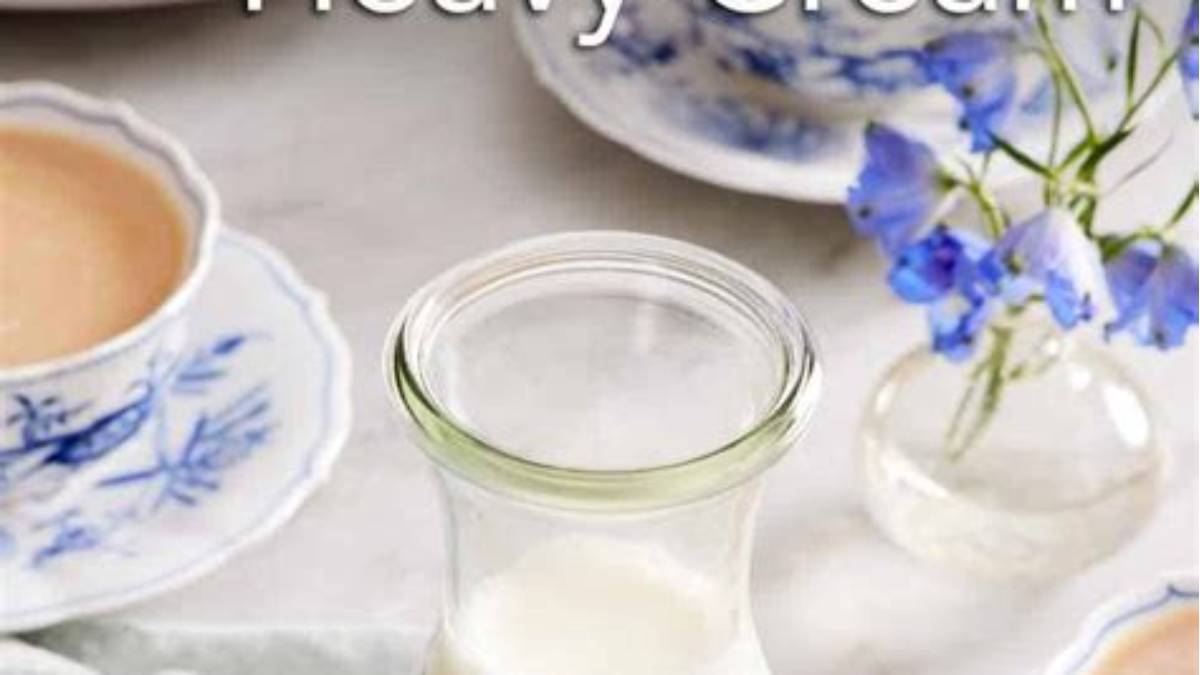
The quickest way to make heavy cream at home is to blend melted unsalted butter into whole milk: 60 g butter plus 180 ml milk gives about 240 ml of substitute. It works well in soups, pan sauces and many baked goods. It will not whip into stable peaks, so it is not a replacement for cream in mousse, piped decorations or cake fillings.
This is practical kitchen guidance, not a lab-tested formula. It is a substitute, not the same product as shop-bought cream.
What Homemade Heavy Cream Is (and How It Differs from Store-Bought)
In the US, "heavy cream" is a standardized dairy product with a legal definition (21 CFR 131.150). Commercial cream is separated from milk and standardized to a defined fat content, so it behaves the same every time.
Homemade "heavy cream" is a different thing. You are rebuilding extra fat in milk by emulsifying butter into it. That emulsion is looser and less stable than real cream, where the fat exists as tiny globules in a natural structure. This is why the substitute adds richness and body to cooked dishes but cannot hold air the way whipping cream can.
If you are unsure what the labels on shop cream mean, see heavy cream vs heavy whipping cream.
Butter and Milk Method: Ingredients, Amounts and Steps
Prep time: 5 minutes Cook time: 2-3 minutes (melting the butter) Total time: about 10 minutes, including cooling Yield: about 240 ml
Ingredients
- 60 g unsalted butter
- 180 ml whole milk, pasteurized, at cool room temperature
Instructions
- Melt the butter in a small pan or in the microwave until just liquid. Do not let it brown.
- Let it cool for a few minutes until it is warm, not hot. Hot butter can warm the milk too much, and butter that has cooled and set will not blend.
- Pour the milk into a jug or a tall, narrow container.
- Add the butter in a thin, steady stream while whisking constantly. For the smoothest result, blend with an immersion blender for 20-30 seconds.
- Use it straight away. If it separates as it stands, whisk or blend it again briefly before measuring.
Use it 1:1 where a recipe calls for heavy cream. Measure by volume (ml), not weight.
Tips from the pastry kitchen
- Use whole milk. Lower-fat milk gives a thinner result.
- Unsalted butter lets you control seasoning. If you only have salted butter, cut back the salt elsewhere in the recipe.
- Blending gives a more even emulsion than whisking by hand.
- Make only what you need. This substitute is best fresh.
Common mistakes
- Pouring in hot butter. This can make the mixture greasy and uneven.
- Using cold milk straight from the fridge. Melted butter can firm up into flecks as it hits the cold liquid.
- Trying to whip it. It will not form peaks, however long you beat it or chill it.
- Adding it to very hot or acidic liquids all at once. Stir it in near the end of cooking and heat gently so it does not split.
Substitutions
Plant-based butters and milks are not covered here, because the result cannot be predicted without testing. If you need whipped cream and have no heavy cream, a different approach is better. See how to make whipped cream, or try a stabilized whipped topping.
Where the Substitute Works, and Where It Won't (Whipping, Mousse, Fillings)
Good uses
- Cream soups and creamy pasta sauces
- Pan sauces and gravies
- Mashed potatoes, gratins and similar savoury dishes
- Some baking, such as scones, biscuits, quick breads and batters that call for cream as a liquid and richness boost
Poor uses
- Whipped cream for toppings
- Mousse, which needs whipped cream for its structure
- Cake fillings and frostings that must hold their shape
- Piping and decorating
For layer cakes, a stable cream matters more than a convincing substitute. A mascarpone-based cream like the one in this berry Chantilly cake is a better route when you need structure.
Food Safety, Storage and Freezing
Dairy is perishable, and a homemade blend has no shelf life that anyone has tested. Treat it cautiously.
- Start with pasteurized milk and butter. Pasteurized dairy is considered free of pathogens, but it can still be contaminated if handled unsafely.
- Keep it cold. Refrigerate it at once at 3-4°C and do not leave it at room temperature. After serving, return it to the fridge promptly.
- Use it fresh. Because there is no tested shelf life for homemade cream, make it for the day you need it. If you keep leftovers, refrigerate them in a clean, covered container and use them within about a day. Discard anything you are unsure about.
- Check for spoilage. An off smell or off taste, or any mould or yeast growth, means it should be thrown away.
- Don't rely on commercial dates. Sell-by guidance for shop-bought milk and cream (often about a week once opened, in US guidance) does not apply to a blend you made yourself.
Freezing: Avoid it. Freezing changes the texture, body and appearance of milk and cream, and the fat emulsion may separate. Thawed cream may not whip well, so do not freeze any that you hope to whip. A frozen and thawed substitute is only worth using in cooked dishes where a grainy look will not matter.
FAQ
Will homemade heavy cream whip?
No. The butter-and-milk blend does not trap air like real cream, so it will not form soft or stiff peaks. For whipped cream, buy cream with enough fat to whip, or use a stabilized alternative.
How long does homemade heavy cream keep in the fridge?
There is no tested shelf life for homemade cream. Use it the same day if you can. If you refrigerate leftovers at 3-4°C in a covered container, use them within about a day, and discard them if they smell or taste off.
Can I use it in baking?
Yes, in recipes where cream is a liquid or enrichment, such as scones, biscuits and some cakes. Avoid it in recipes that depend on whipped cream for volume.
Is it the same as store-bought heavy cream?
No. Store-bought heavy cream is standardized and has a defined fat content. Homemade cream is a substitute that imitates its richness in cooking.
Need a Cake With Stable Cream and Professional Finish?
Cream work is where home baking gets tricky, from whipping to filling to decorating. If you need a celebration cake with a professional finish instead of another kitchen experiment, you can order a cake in Poltava from ТартаЛєнка.