Chewy Chocolate Chip Cookies: Best Recipe, Chilling & Soft Centre
Updated November 18, 2026
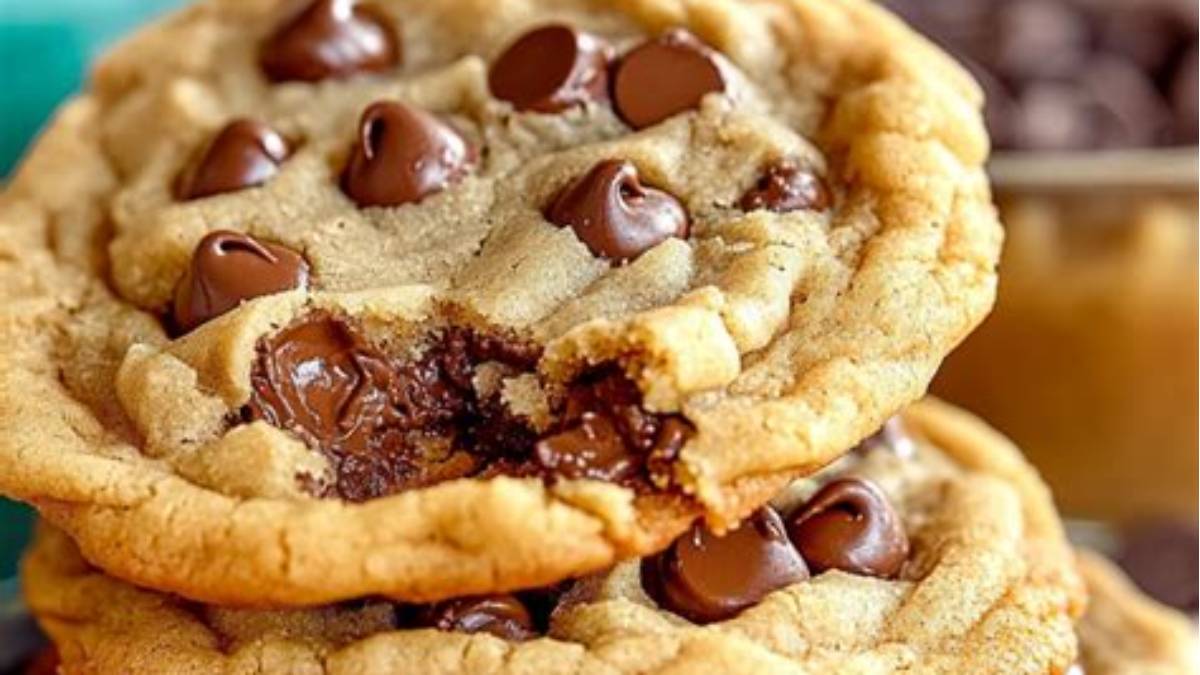
Chewy chocolate chip cookies with a soft centre are achieved through the right balance of ingredients, proper chilling of the dough, and careful baking. Chilling is one of the most important steps: it reduces spread, improves chewiness, deepens flavour, and helps deliver that tender centre home bakers love.
This reliable metric recipe makes approximately 16 cookies and emphasises the science-backed benefits of chilling. All quantities are tested for consistency, and the instructions include clear guidance on timing and technique.
Chewy Chocolate Chip Cookies Recipe
Prep time: 20 minutes
Chill time: minimum 30 minutes (ideally longer)
Bake time: 11-13 minutes per tray
Total time: approximately 2 hours (with minimum chill)
Yield: 16 cookies (about 60 g dough each)
Ingredients
- 170 g unsalted butter, softened
- 200 g light brown sugar, packed
- 50 g granulated sugar
- 1 large egg + 1 egg yolk, at room temperature
- 2 tsp vanilla extract
- 250 g plain (all-purpose) flour
- ½ tsp baking soda
- ¾ tsp fine salt
- 200 g dark or milk chocolate, chopped into chunks or chips
Instructions
- In a large bowl, beat the softened butter with both sugars until well combined and creamy (about 1-2 minutes).
- Add the egg, egg yolk, and vanilla extract. Whisk until the mixture is smooth and glossy.
- In a separate bowl, whisk together the flour, baking soda, and salt. Add the dry ingredients to the wet in two additions, folding gently with a spatula until no flour streaks remain. Do not overmix.
- Fold in the chocolate chunks or chips until evenly distributed.
- Cover the bowl and chill the dough in the refrigerator for at least 30 minutes. For noticeably better flavour and chewiness, chill for 24 hours if time allows.
- Preheat the oven to 180°C (160°C fan). Line two baking trays with parchment paper.
- Scoop 60 g portions of dough (roughly 3 generous tablespoons) and roll into balls. Place 8 cookies per tray, spacing them at least 6 cm apart.
- Bake one tray at a time on the middle shelf for 11-13 minutes. The edges should be set and lightly golden, while the centres still look soft and slightly underdone.
- Remove from the oven and let the cookies cool on the tray for 20 minutes. They will continue to set from residual heat, preserving the soft centre. Transfer to a wire rack to cool completely before storing.
Why Chill Cookie Dough
Chilling cookie dough before baking makes a significant difference. According to extensive testing by King Arthur Baking, chilled dough produces cookies that spread less, develop a darker colour, deliver more pronounced flavour, and achieve a chewy rather than soft or doughy texture.
The biggest improvement happens in the first 30 minutes. Chilling for just half an hour noticeably reduces spread compared with baking the dough immediately. Longer chilling (tested up to 10 days) continues to improve flavour concentration and chewiness, although the gains become smaller after the initial 30 minutes.
Chilling works by solidifying the fat so it takes longer to melt in the oven (reducing spread), allowing the sugar to absorb liquid from the dough, and gradually drying the surface slightly, which concentrates flavours and increases perceived sweetness.
For the soft centre you're looking for, the combination of adequate chilling and pulling the cookies from the oven while the centres still look underdone is essential.
Professional Tips and Common Mistakes
- Weigh your flour. Too much flour is the most common reason cookies turn out dry or cakey. Always weigh rather than scoop with a measuring cup.
- Chill properly. Minimum 30 minutes delivers visible improvement. For the best flavour and texture, aim for 24 hours when possible.
- Bake one tray at a time. This ensures even heat circulation and consistent results.
- Watch the centres. Remove the tray when the edges are golden but the middles still look soft. Overbaking is the fastest way to lose the chewy texture.
- Use room-temperature eggs. They incorporate better and help create a smoother dough.
Common mistakes include using butter that is too warm (causes excess spread), placing dough on a hot tray, overcrowding the tray, or skipping the chill entirely. All of these lead to flat or uneven cookies.
Related reading: Oatmeal Cookies: Easy Recipe with Crisp Edges and Soft Centre
Storage and Food Safety
Baked cookies keep best in an airtight container at room temperature. They are at their chewiest during the first few days and will gradually firm up over time.
Cookie dough must be kept covered in the refrigerator at 4°C or below during the chilling period.
Important food safety note: Raw cookie dough containing untreated flour and eggs is unsafe to eat. Both raw flour and raw eggs can carry harmful bacteria such as E. coli and Salmonella. The FDA and food safety experts advise against consuming raw dough. Heat-treated flour is required for any ready-to-eat cookie dough, and home heat-treatment methods are not considered reliable.
Freezing dough: Portion the dough into balls, freeze on a tray until solid, then transfer to a freezer bag. Bake straight from frozen, adding 1-2 minutes to the baking time. Use within a couple of months for best quality.
Related: Brownie Recipe: Fudgy with a Shiny, Crackly Top
FAQ
How long should I chill chewy chocolate chip cookie dough?
Chill for a minimum of 30 minutes to see a clear reduction in spread and improvement in texture. For the best flavour development and chewiness, 24 hours is ideal. Changes continue up to 10 days, but most benefits occur early. Use the time you have - 30 minutes already makes a noticeable difference.
Why did my cookies turn out flat or dry, and is it safe to eat the raw dough?
Flat cookies usually result from dough that wasn't chilled long enough, butter that was too soft, or a tray that was too warm. Dry cookies are most often caused by too much flour or overbaking. Always weigh ingredients, chill the dough, and bake until the centres still look soft.
It is not safe to eat the raw dough. Raw flour and eggs can contain pathogens that cause serious illness. Enjoy a freshly baked cookie instead.
Cookies are wonderful for everyday treats, but when you need a show-stopping centrepiece for a celebration, professional confectionery makes all the difference. For beautiful custom cakes with expert decoration, browse the ТартаЛєнка cake gallery or place an order with the Poltava specialists.