Cake Flour vs All Purpose Flour: Which Should You Use?
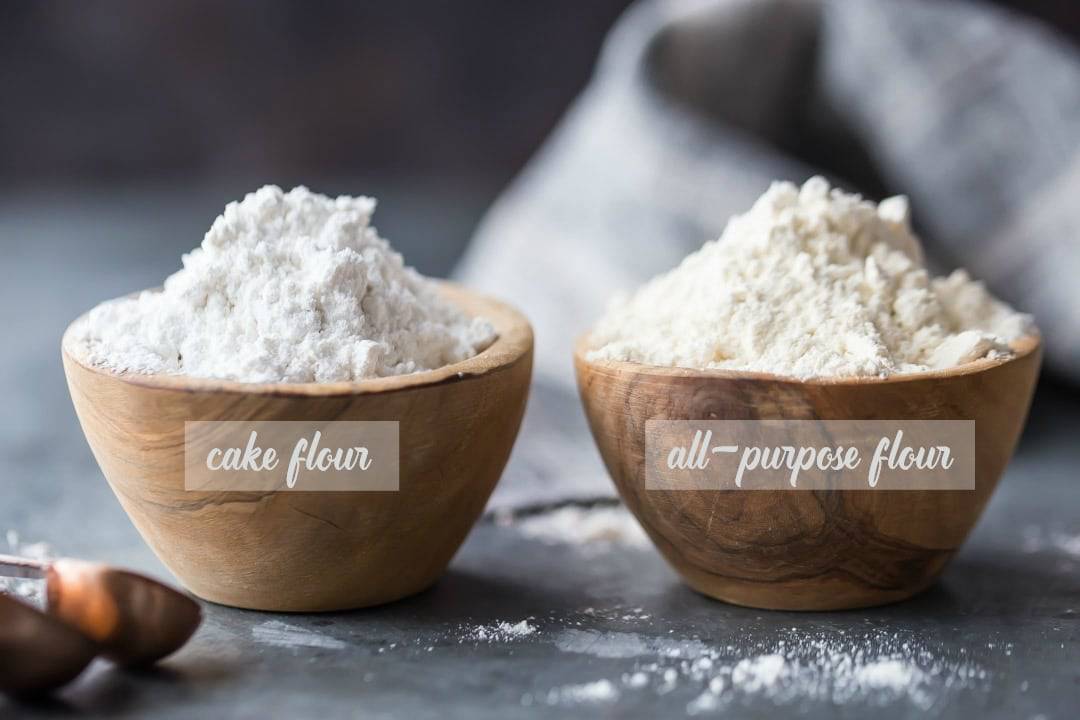
What Is the Difference Between Cake Flour and All-Purpose Flour
Cake flour and all-purpose flour differ primarily in protein content. According to King Arthur Baking, their unbleached cake flour contains 10% protein, while their all-purpose flour contains 11.7%.
This small difference matters greatly in baking. Cake flour has less protein, which means it forms less gluten when mixed with liquid. The result is a softer, finer, and more tender crumb - exactly what most cakes need. All-purpose flour, with its higher protein level, creates more structure and chew, making it better suited for cookies, breads, and pies.
How Protein Content Affects Cake Texture and Tenderness
Lower protein content reduces gluten-forming potential. When you use cake flour, the cake rises higher and develops a delicate, even crumb that practically melts in your mouth.
Tests by King Arthur Baking show that cakes made with all-purpose flour instead of cake flour still work, but they have a slightly coarser crumb and noticeably less tenderness. In delicate recipes like angel food cake, the difference is even clearer: cake flour produces a taller, softer cake, while all-purpose flour yields a denser result.
For home bakers in Ukraine who want professional-looking tender layers, understanding this gluten-protein relationship is one of the simplest ways to improve cake quality without buying special equipment.
How to Substitute All-Purpose Flour for Cake Flour
If cake flour is unavailable, you can create a very effective homemade version. King Arthur Baking recommends this ratio:
For every 1 cup (approximately 120g) of cake flour, use:
- ¾ cup + 2 tablespoons (about 95g) all-purpose flour
- 2 tablespoons (about 15-16g) cornstarch
Whisk them together thoroughly, then sift the mixture before using. The cornstarch lowers the overall protein percentage and interferes with gluten development, closely mimicking commercial cake flour.
This substitution produces similar results in most layer cakes, though the texture will be slightly less fine than with true cake flour. Always measure carefully and avoid simply swapping cup-for-cup without removing some all-purpose flour and adding cornstarch.
For best results, pair this with proper mixing technique - never overmix once the flour is added.
Common Flour Mistakes That Ruin Cakes and How to Avoid Them
Even with the right flour, several common errors can lead to dry, dense, or tough cakes:
Incorrect measuring
Scooping flour directly from the bag with a measuring cup can pack in up to 25% extra flour by weight. This leads to dry, dense cakes. Instead, fluff the flour with a fork or whisk, spoon it gently into the measuring cup, and level it off with a knife. Even better, weigh your flour for consistent results.
Using the wrong flour type
Substituting all-purpose flour in a delicate cake recipe designed for cake flour increases gluten formation and produces a heavier, tougher texture. When a recipe specifically calls for cake flour, try to follow it or use the cornstarch substitution above.
Not sifting or whisking dry ingredients
Lumps of flour or leavening agents cause uneven texture and can lead to overmixing while trying to smooth the batter. Always whisk or sift your dry ingredients together before adding them to the wet mixture.
Overmixing after adding flour
Once flour hits the wet ingredients, gluten begins to develop. Mixing too vigorously or for too long creates a tough, rubbery cake. Mix on low speed or by hand just until the flour disappears.
Additional factors that affect final texture include using room-temperature ingredients, preheating the oven properly, and avoiding opening the oven door too early. These tips work together with correct flour choice to help you bake reliably tender cakes.
For more guidance on perfect timing, see our guide on How Long to Bake a Cake: Times, Temperatures & Doneness Tests.
You might also enjoy learning What Makes Pancakes Fluffy - many of the same gluten-control principles apply.
FAQ
Can I use all-purpose flour instead of cake flour in every cake recipe?
Yes, but with adjustments. Your cake will still be good, though it will have a slightly coarser crumb and less tenderness compared to using cake flour. For the best delicate texture in sponge cakes or angel food cakes, the homemade substitution method (replacing part of the all-purpose flour with cornstarch) gives much closer results.
How should I measure flour correctly for consistent cake results?
Never scoop directly from the bag. Fluff the flour first, then spoon it lightly into the measuring cup and level it with a straight edge. For true accuracy and repeatable results, weigh the flour instead of using volume measurements. This single habit eliminates one of the most common causes of dry or dense cakes.
If you regularly bake layer cakes and want consistently professional results without spending hours in the kitchen, consider ordering a beautifully decorated cake from ТартаЛєнка. Our Poltava confectionery specializes in tender cakes with perfect texture for celebrations.
Visit https://www.tartalenka.pl.ua/uk/cakes to see our current collection or https://www.tartalenka.pl.ua/uk/order to place a custom order.