How to Make Rough Puff Pastry at Home in Under 30 Minutes
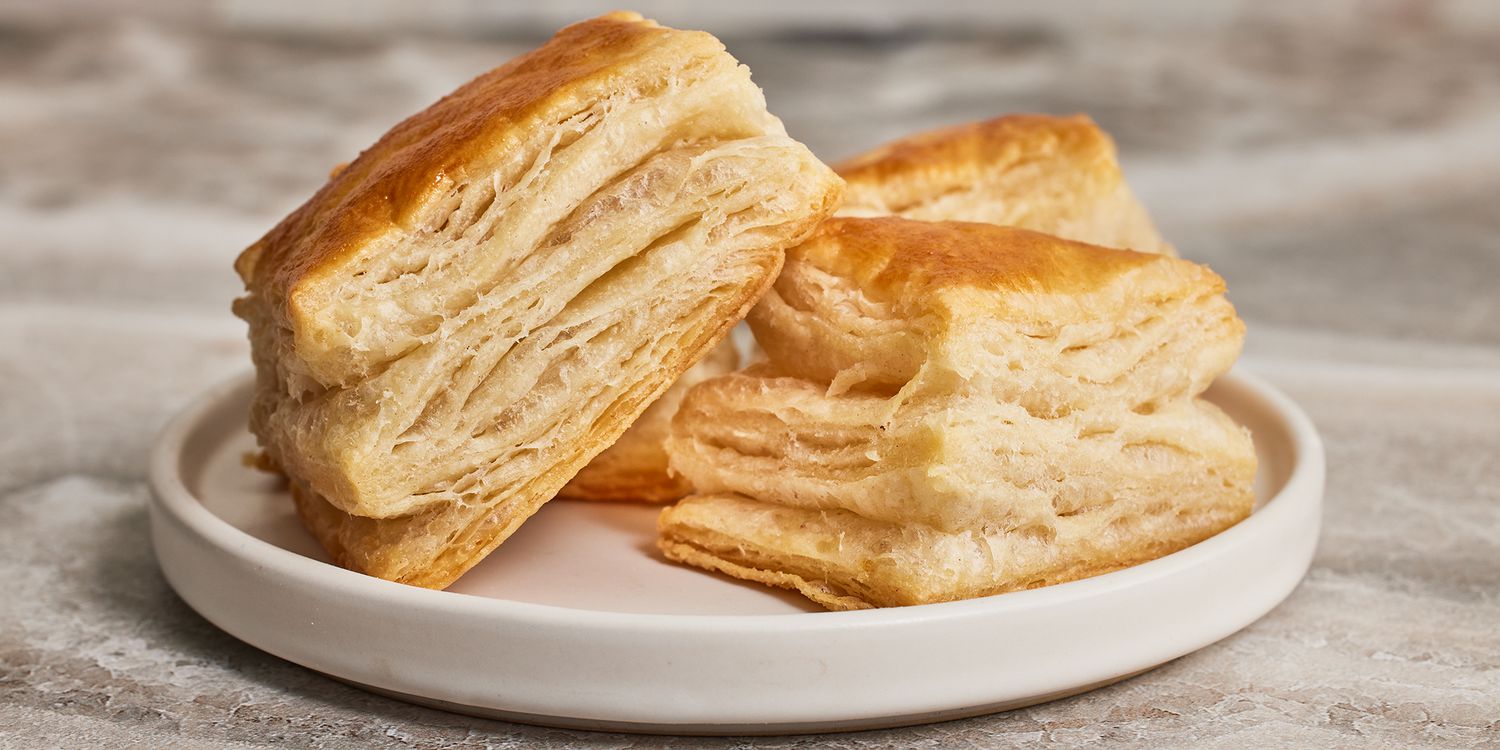
Rough puff pastry, also known as blitz puff pastry, is a quicker and more forgiving alternative to traditional laminated puff pastry. By incorporating chunks of cold butter directly into the dough and using simple folds, you can achieve beautiful flaky layers in less time and with less fuss. This method is ideal for home bakers who want professional-looking results without the full commitment of classic puff pastry.
This recipe yields approximately 700g of dough, enough for a large tart, several turnovers, or a batch of hand pies. It uses metric measurements and delivers consistent, reliable results when you follow the chilling times carefully.
What Is Rough Puff Pastry
Rough puff pastry is made by mixing large pieces of cold butter straight into the flour rather than creating a separate butter block and performing hundreds of micro-layers. Instead, you complete just a few quick folds (usually letter folds and book folds), which create visible marbled butter streaks that turn into hundreds of flaky layers during baking.
It is not identical to classic puff pastry - it has slightly less rise and more rustic layering - but it performs beautifully in almost any recipe that calls for puff pastry. The entire process takes far less time while still delivering excellent texture.
Ingredients
- 250g strong plain flour
- 1 tsp salt
- 250g unsalted butter, cold but not rock-hard, cut into large cubes
- Approximately 150ml cold water
These quantities produce a dough that is easy to handle and delivers good lift.
Step-by-Step Instructions
-
Place the flour and salt in a large mixing bowl. Add the cold butter cubes and toss them gently in the flour so each piece is coated.
-
Using a round-bladed knife, cut and stir the butter into the flour until you have a lumpy, rough mixture with visible large chunks of butter. Do not rub the butter in completely.
-
Gradually add the cold water, starting with 120ml and adding more as needed, stirring with the knife until a rough dough forms. The dough will look shaggy and not perfectly smooth - this is correct.
-
Turn the dough out onto a lightly floured surface and shape it into a rough rectangle. Wrap in cling film and chill in the fridge for 20-30 minutes.
-
On a lightly floured surface, roll the dough into a long rectangle approximately three times as long as it is wide, keeping the edges as straight as possible. Perform a single letter fold: fold the bottom third up and the top third down over it, as if folding a letter. Give the dough a quarter turn and repeat the rolling and letter fold once more. Wrap and chill for 20-30 minutes.
-
Repeat the rolling and folding process twice more (you can do one letter fold and one book fold for the second set). After the final fold, wrap the dough and chill for at least 30 minutes (or up to 24 hours) before using. The dough is now ready to roll out and bake.
Baking note: Always bake rough puff pastry in a fully preheated hot oven (around 200-220°C) for best rise and crisp layers.
Professional Tips and Common Mistakes
Keep everything as cold as possible. Warm hands, a warm kitchen, or butter that is too soft are the most common reasons for disappointing results. If the butter begins to melt into the flour during rolling, return the dough to the fridge immediately.
Roll in one direction only and maintain even pressure to avoid crushing the butter layers. Never stretch the dough when rolling - this shrinks dramatically in the oven.
Common mistakes include:
- Using an oven that is not hot enough (the pastry needs high heat to create steam quickly)
- Insufficient chilling between folds
- Using a dull cutter or knife that seals the edges and prevents rise
- Overworking the dough or re-rolling scraps too many times
Pro tip: Chill your baking tray in the freezer before placing shaped pastries on it. This gives an extra boost of lift.
For best results, rest the rolled and shaped pastry in the fridge for 15-20 minutes before baking. Use sharp tools and avoid brushing egg wash over the cut edges.
Storage and How to Use
The finished dough can be kept wrapped in the fridge for up to 24 hours before use. For longer storage, wrap tightly in cling film and freeze for up to 1 month. Thaw overnight in the refrigerator before rolling and baking.
Once baked, rough puff pastry items are best enjoyed the same day. Store baked goods in an airtight container at room temperature for 1-2 days. For items containing perishable fillings (such as cream, custard, or fresh fruit), keep refrigerated and consume within 24 hours. Always follow proper food-safety practices with butter-based pastries and dairy fillings.
This homemade rough puff pastry works perfectly in many recipes. Try it in our Apple Turnovers with Puff Pastry or use it as the base for savory hand pies and sweet tarts. It also pairs beautifully with our guide on How to Blind Bake Pie Crust for crisp results.
FAQ
Can rough puff pastry be frozen?
Yes. After the final chilling, wrap the dough tightly in cling film and then foil. It can be frozen for up to 1 month. Defrost overnight in the fridge before rolling and baking. Do not refreeze once thawed.
What is the difference between rough puff and classic puff pastry?
Rough puff (or blitz puff) is quicker and easier because the butter is mixed directly into the flour in chunks rather than being formed into a separate butter block. It requires only 4 folds instead of 6 or more, resulting in slightly less dramatic rise but still excellent flaky layers. It is a practical choice for home bakers and works in almost any recipe that calls for traditional puff pastry.
If you enjoy making your own pastry at home but prefer the finished professional touch for special occasions, consider ordering a beautifully decorated cake from ТартаЛєнка in Poltava. Our team creates elegant celebration cakes that save you time while delivering impressive results.