American Buttercream Recipe: Smooth, Stable and Not Too Sweet
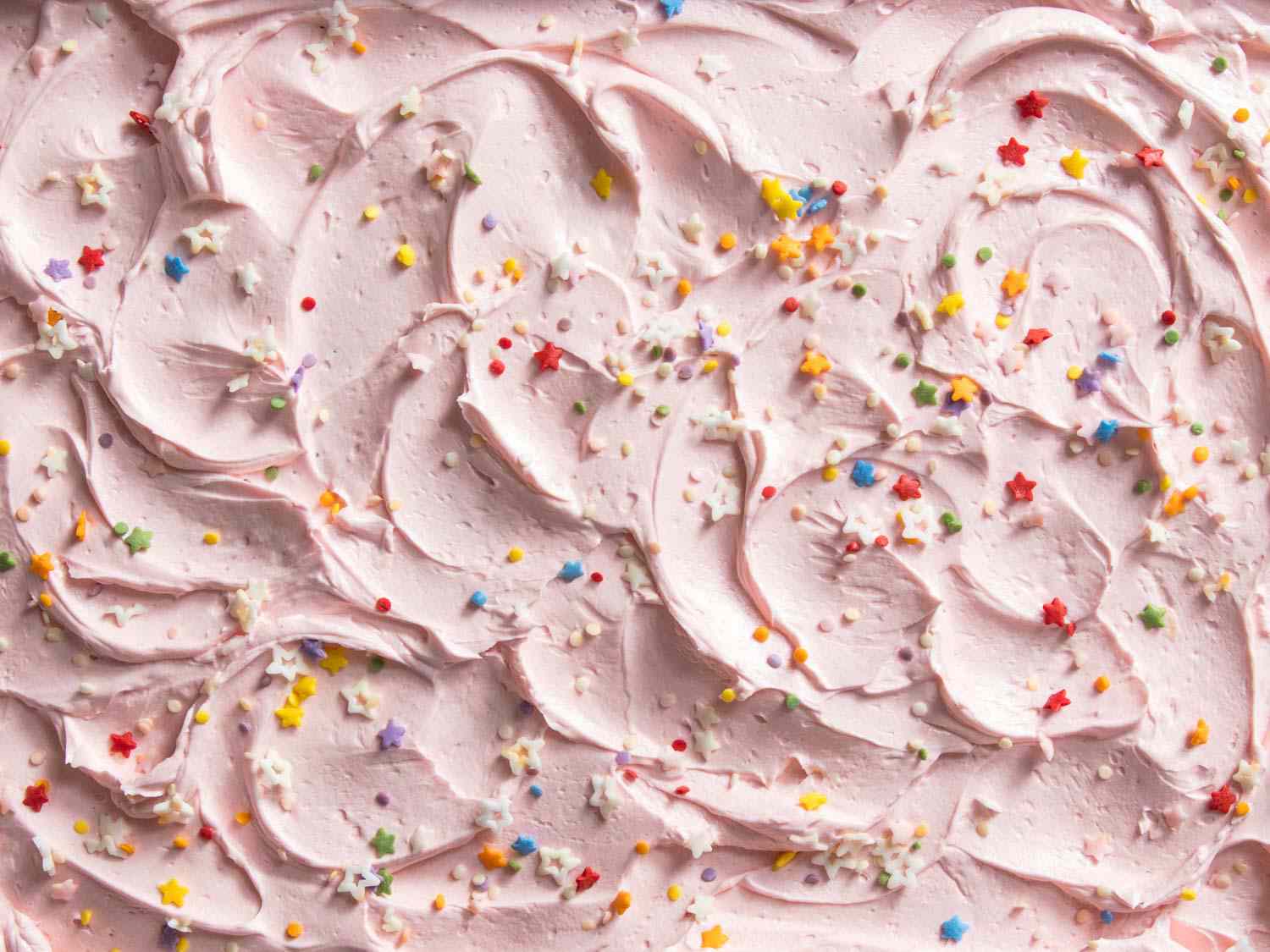
American buttercream is a classic choice for home bakers because it is quick to prepare, stable at room temperature, pipes beautifully, and holds its shape well on cakes and cupcakes. This version focuses on achieving a smoother, creamier texture with balanced sweetness while avoiding the graininess and overpowering sugar taste common in many traditional recipes.
The recipe below combines the straightforward classic method with key techniques drawn from professional sources to deliver reliable results every time. It yields enough frosting to generously cover a two-layer 20 cm cake or approximately 24 cupcakes.
Ingredients and Yield
Yield: Enough for one 20 cm layer cake or 24 cupcakes (about 850 g total)
Ingredients:
- 340 g unsalted butter, at room temperature
- 600 g powdered sugar, divided
- 45 ml heavy cream or whole milk
- 10 ml vanilla extract
- 2 g fine salt
Use metric measurements for accuracy. Room-temperature butter is essential for proper emulsification.
Step-by-Step Instructions
-
Place the softened butter in the bowl of a stand mixer fitted with the paddle attachment. Beat on medium speed for 2-3 minutes until the butter is pale and creamy.
-
Sift 300 g of the powdered sugar. Add it to the butter gradually, 50 g at a time, mixing on low speed after each addition to prevent a sugar cloud and reduce graininess.
-
Once the first half of the sugar is incorporated, add the heavy cream, vanilla extract, and salt. Mix on low until combined, then increase to medium speed and beat for 2 minutes until fluffy.
-
Gradually add the remaining 300 g of powdered sugar on low speed. After all sugar is incorporated, mix on low speed for an additional 2-3 minutes. This final low-speed mixing helps eliminate air pockets and creates a smoother finish.
-
Check the consistency. If the buttercream is too stiff for piping, add an extra 5-10 ml of cream and mix briefly. Use immediately or store as directed below.
Total time from start to finish is approximately 15 minutes. There is no cooking or baking required.
Professional Tips and Common Mistakes
The most important factor in successful American buttercream is butter temperature. It should be soft enough to leave a gentle indent when pressed with a finger but not greasy or shiny. Butter that is too cold creates lumps that never fully smooth out. Butter that is too warm causes the frosting to become runny and lose structure.
Add powdered sugar gradually on low speed rather than all at once. Dumping in large amounts incorporates excess air and makes the frosting grainy. After all ingredients are combined, the final low-speed mixing stage is crucial for breaking down any remaining sugar crystals and removing large air bubbles.
A common mistake is overbeating on high speed for too long. This incorporates too much air, resulting in frosting that looks airy but collapses or separates when piped. Another frequent error is using cold ingredients - always bring dairy and butter to room temperature before starting.
For an even smoother, less sweet result similar to European buttercreams, some pastry professionals prepare a simple sugar syrup and incorporate it in stages along with powdered sugar. This advanced method produces a creamier texture with reduced perceived sweetness but requires a thermometer and more precise timing. The classic method above remains the most practical for everyday home use.
Storage, Substitutions and Flavor Variations
Storage: American buttercream can be kept at cool room temperature (below 22°C) for up to 2 days thanks to the high sugar content, which acts as a preservative. For longer storage, refrigerate in an airtight container for up to 2 weeks or freeze for up to 3 months. Before use, bring refrigerated or frozen buttercream back to room temperature and re-whip briefly until smooth. Because it contains dairy, avoid leaving decorated cakes in warm environments for extended periods.
Substitutions:
- Replace heavy cream with milk for a slightly lighter texture, though the frosting will be less rich.
- Use salted butter and omit the added salt if that is what you have on hand.
- For a whiter frosting, use vegetable shortening in place of half the butter, though this changes the flavor profile.
Flavor Variations:
- Chocolate: Add 60 g sifted cocoa powder with the final sugar.
- Lemon or orange: Replace vanilla with 10-15 ml fresh citrus zest and 5 ml corresponding extract.
- Berry: Incorporate 30-45 ml strained fruit puree or freeze-dried powder.
- Caramel: Add 60 ml caramel sauce and reduce cream slightly.
Always taste and adjust flavorings gradually, as they can affect consistency.
FAQ
How long can American buttercream be stored at room temperature?
When kept below 22°C in an airtight container, it remains stable for up to 2 days. Higher temperatures or humidity require refrigeration. Always follow food-safety guidelines for butter and dairy products.
Why is my American buttercream grainy and how do I fix it?
Graininess usually comes from undissolved powdered sugar. Fix it by mixing on low speed for several extra minutes after all ingredients are added. Sifting the sugar beforehand and adding it gradually also helps prevent this issue. If the butter was too cold, the grainy texture may not fully disappear.
This American buttercream recipe gives home bakers a dependable, pipeable frosting that works beautifully for both simple cupcakes and more elaborate layer cakes. With the right technique, you can achieve professional-looking results without the excessive sweetness that often disappoints.
If you enjoy baking but prefer to focus on decoration rather than making frosting from scratch, consider ordering a professionally finished cake. For beautifully decorated celebration cakes in Poltava, visit ТартаЛєнка.
For more inspiration, explore our Carrot Cake Recipe or Vanilla Cupcakes Recipe.