How to Tell When Banana Bread Is Done: 5 Foolproof Tests
Banana bread should be moist, tender, and fully set, never gooey in the center or dry and crumbly. Knowing exactly when it is done can be tricky because bake times vary widely. This guide shares the most dependable ways to test for doneness so your loaf turns out perfectly every time.
Factors That Affect Banana Bread Baking Time
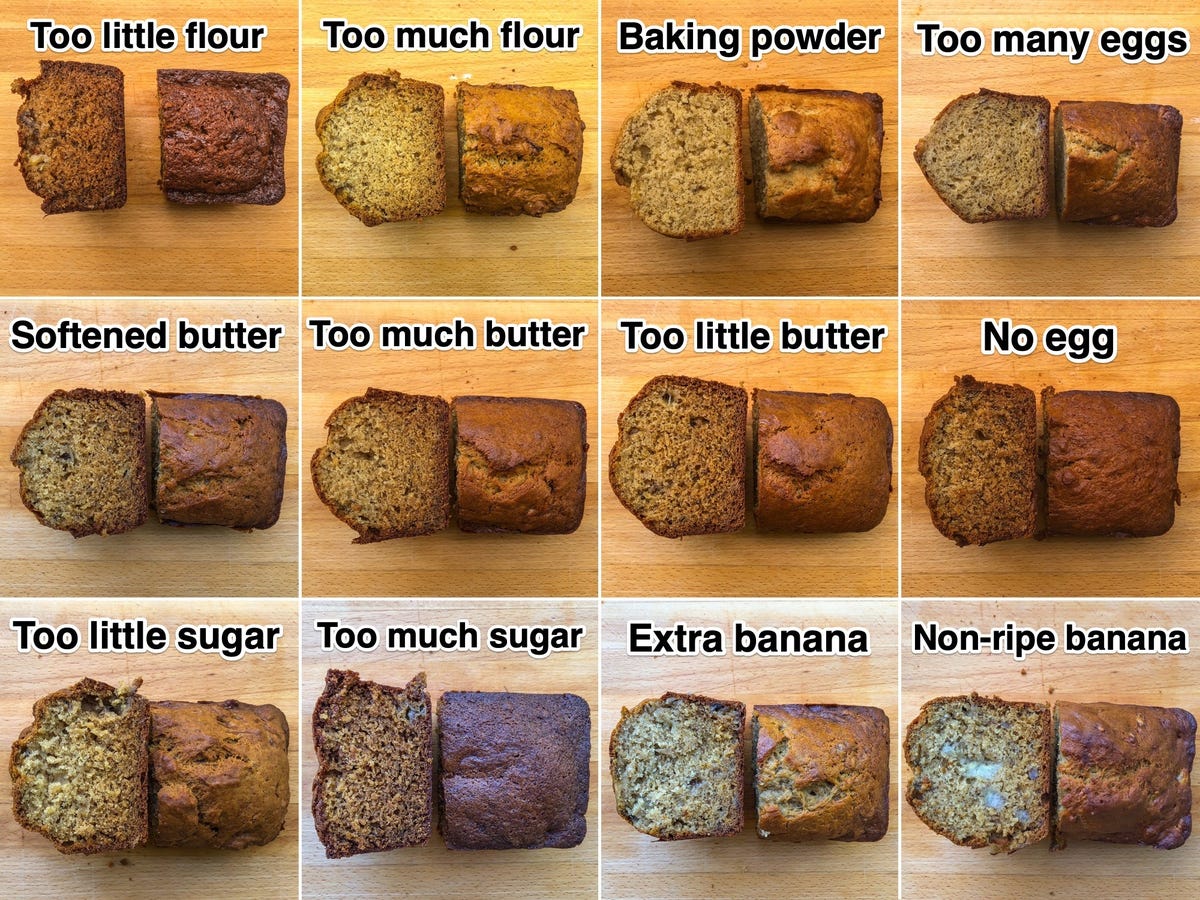
Several variables influence how long banana bread needs to bake. The amount of mashed banana is one of the biggest factors: more banana creates a wetter batter that requires longer baking, typically in the 45-70 minute range for standard recipes.
Additions such as peanut butter or oatmeal can shorten the bake time, while loaf pan size matters too. A taller loaf baked in an 8×4-inch pan usually takes longer than one in a 9×5-inch pan. Pan material also plays a role - dark metal or glass pans conduct heat differently and may need a lower temperature or tenting with foil to prevent over-browning.
Oven calibration is critical. Even if your oven beeps, it can take up to 25 minutes to reach a true 350°F. An external oven thermometer helps ensure accuracy.
Visual and Touch Tests for Doneness
Start with your eyes and hands before reaching for a tester. The edges of the loaf should pull slightly away from the pan and feel firm. The top should be a deep golden brown, especially in recipes that use baking soda.
Gently press the center of the loaf with your finger. It should spring back rather than leave an indentation. These visual and tactile cues are usually the first reliable signs that the bread is getting close to done.
Using a Toothpick, Knife, or Thermometer
Once the visual signs appear, use a tester in the center of the loaf, including inside the common crack that forms on top.
Insert a toothpick or thin-bladed knife about 2-3 inches into the center. If wet batter clings to it, the bread needs more time. A few moist crumbs is ideal for a moist loaf, while a completely clean tester means it is fully baked. Because banana pieces or mix-ins can give false readings, test in two or three spots or use a thin knife, which is more effective at detecting wet areas.
For the most reliable and consistent results, use a digital thermometer. The center of the loaf should reach 200°F-205°F (205°F-210°F for gluten-free versions). Probe gradually as you withdraw the thermometer to check the temperature profile - no part of the loaf should read below 200°F. This method removes guesswork and is especially helpful for beginners.
Oven Setup, Positioning, and Professional Tips
Position the pan according to your oven's behavior. Some loaves bake more evenly closer to the top element - experiment to find what works best in your kitchen.
In the final 20-25 minutes, tent the loaf with foil if the top is browning too quickly. This prevents a dark crust while the center finishes baking.
Always preheat your oven fully and consider using an external thermometer. These small steps make a big difference in achieving even baking and avoiding the common frustration of underbaked centers or dry edges.
Common mistakes include relying only on bake time instead of testing, opening the oven door too often (which lowers the temperature), and removing the bread too early because the top looks done. Trust the combination of visual cues, spring-back test, and internal temperature rather than the clock.
Substitutions that affect bake time include reducing banana (shorter bake) or adding extra moist ingredients like sour cream (may need a few extra minutes). When in doubt, rely on the thermometer.
Banana bread is a TCS (time/temperature control for safety) food. Ready-to-eat baked goods containing eggs or dairy must not remain in the 41-135°F danger zone for more than 4 hours (or 6 hours under specific cold-holding rules) to prevent bacterial growth.
How to Store Banana Bread Safely
Cool the loaf completely on a wire rack before wrapping. Store at room temperature for up to two days or refrigerate for longer freshness, keeping in mind the TCS guidelines above. For longer storage, freeze slices or whole loaves tightly wrapped.
To prevent dry banana bread, avoid overbaking by testing early and often once the visual cues appear. Using the thermometer method gives you the best insurance against a dry texture.
FAQ
How do I store banana bread safely?
Cool it completely, then wrap tightly. Follow TCS rules: do not leave it in the temperature danger zone (41-135°F) longer than 4 hours. Refrigerate or freeze for longer storage.
What is the best way to prevent a dry banana bread?
Remove the loaf from the oven as soon as it reaches 200-205°F in the center and shows a few moist crumbs on a tester. Avoid overbaking by checking doneness rather than strictly following the timer, and tent with foil if the top browns too quickly.
If you enjoy baking comforting loaves like banana bread at home, you may also love turning your skills to celebration cakes. When you need a beautifully decorated cake for a birthday or special occasion rather than just homemade quick bread, order a cake in Poltava from ТартаЛєнка.
For more helpful baking guides, explore our How Long to Bake a Cake: Times, Temperatures & Doneness Tests or Banana Bread with Sour Cream: A Moist One-Loaf Recipe in Metric. You might also enjoy learning How to Decorate a Cake for Beginners.